Thursday, 16 February 2017

Waiting for Spring and some pleasant surprises

So far winter has passed with no serious snow fall or freezing conditions, occasional flurries of the white stuff and the odd need to scrape the car windows before early morning journeys may be signs of a temporary change in our weather, we shall see!

Bright days have been all too few, we seem to get day after day of dull grey skies that do little to lift the spirits or the shutter speeds. Despite vast improvements in camera technology and the availability of processing software that can enhance an image there is still no real substitute for some real early morning or late afternoon good light.

I ventured over to Wharfedale one morning and managed to get a dipper in fairly close...

This caught me by surprise and I overexposed the shot, losing the detail on the white throat...must try harder!

A male goosander was having a wing stretch...

I spotted a distant kingfisher


At my raptor watchpoint a female sparrowhawk flew in and landed in a tree for a few moments before flying off


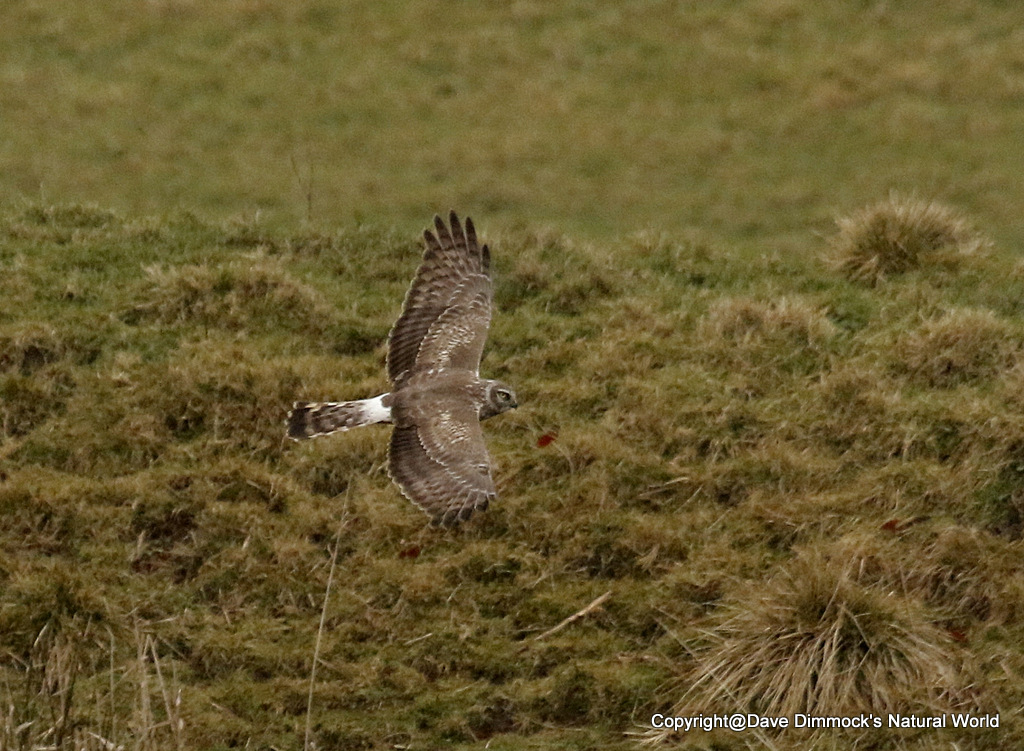
A short while later a young hen harrier flew through, distant but unmistakeable to the experienced eye!


Looks like a young male with the slim body, great to see.

We had a day at RSPB Blacktoft Sands, nr Goole and a great day if you are within travelling distance.

Plenty of ducks to see with some wigeon in close...


Stonechat in the reeds

A kingfisher landed close by but flew away before I got the camera on it, heyho :-)

A few marsh harrier shots, mainly juveniles as most of the adults migrate and will return over the coming months...


Back home and out on the moor on a sunny day, the red grouse males are challenging...literally at times!

Red kite are becoming very common sightings for us, happy days!

A peeping grouse...

My new hen harrier site has been visited with some success...


We had a couple of days up in East Cumbria, near the RSPB reserve at Geltsdale. What a stunning place, mile after mile of wild moorland and home to very special birds. A very kind local pointed out a good place to see black grouse so a pre-dawn set off and we found the location, and the black grouse too. They often spend time in the tops of bushes, a female demonstrated that.

We probably just missed the "lek" the males fan their white tails and parade and fight for the attention of the ladies. Male black grouse...

Another shot of a female...

Then it was on to Geltsdale, this was going to be a long day, long walks and lots of binocular checks and some cold fingers firmly crossed.

The reserve is huge with various options for walks, our own experience plus a healthy dose of local advice led us to concentrate on a few walks to good vantage points.


Distant male hen harrier, despite much hard work we were unable to get closer views but what a delight to see.

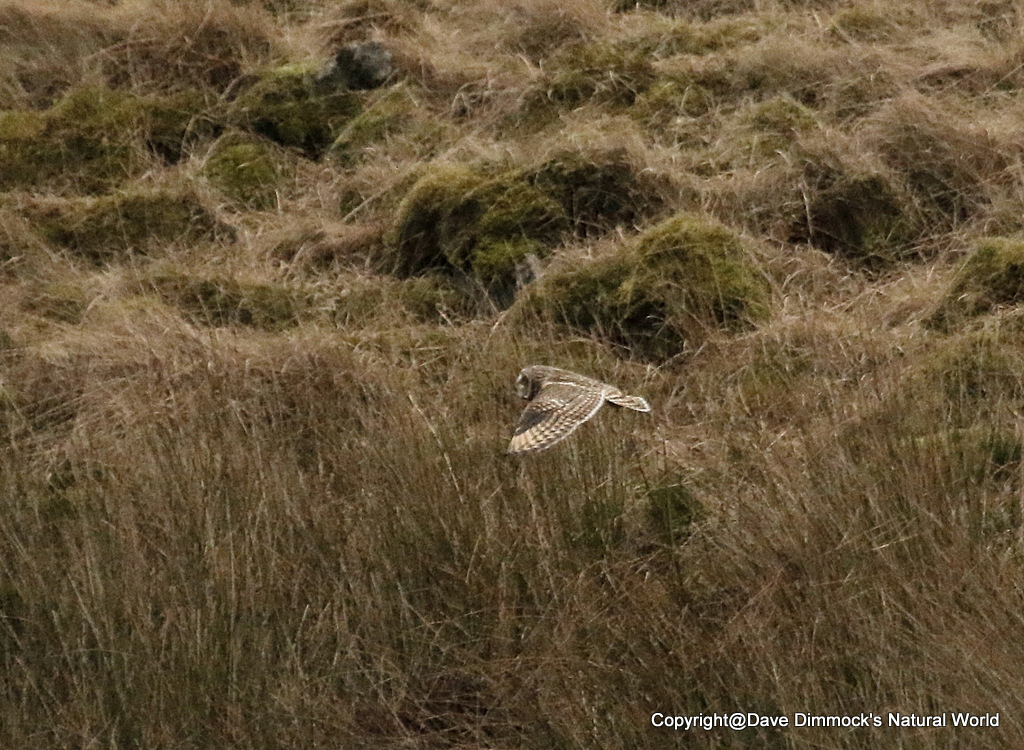
Scanning around for the harrier we discovered another treasure, a hunting short eared owl, with sightings scarce at home this year this was another delight!



The following day was notable for rain, rain and more rain, enough said!

Since seeing the young male hen harrier at my new location I have been hoping for some decent light to get some really good shots, maybe hope pays off...in the company of a great mate....what an absolute treat and reward for my patience...


Wow, what greater reward could I have wished for, a stunning bird and a delight to see.

The rewards for patience are wonderful, and it feels like almost like nature does reward patience.
I shall never stop preaching this way above the pay per shot hides where artificial shots and values abound, they alter the natural behaviour of wildlife by feeding predatory birds for the pleasure of photographers and the financial rewards that follow, they will say it is no different to garden feeders, believe me it is. The birds that use feeders are able to re-adapt to different foods, seeds, berries etc at different times of the year. Predatory birds need instinct and razor sharp reflexes, if the meal is provided too easily they lose that, and that is passed on in their genes. The young won't move away from an easy food source and so it goes on.

One of the best examples of this is the osprey feed ponds, tiny pools with hides close, these set ups are drawing more and more young birds which are disrupting nest behaviour of previously reliable parent ospreys. The young males, drawn by by easy prey will attack the nest site trying to attract the females attention, several nests sites have failed because of this in recent years...all in the name of photography, really...it saddens me.

If you see birds of prey while you are out at this time of the year it is a great time to watch out for "display" flights from them as they will soar up on thermals to attract a partner or to re-bond with an existing one. Sometimes locking talons and tumbling down together it can be an exhilarating sight.
If the tumbling continues to the ground or near it, this may well be birds of the same sex competing for a partner or territory but this is a much rarer sight.

Please support wildlife by staying away from artificial set ups and by not supporting photographers who use them.

Many thanks to all who read the blog, please don't forget if you do comment that they come to me first for moderation, the support of all readers is much appreciated.

Thursday, 26 January 2017

Edging through the winter months

Depending on the weather I can find a great deal of enjoyment during the winter months. Obviously grey and drab misty days hold little enjoyment for wildlife watchers and photographers but given the prospect of a bright day, especially with overnight frost, I can plan the evening before with some expectation of a good day ahead.

Planning is quite important for what I do, checking reports of bird sightings in nearby areas, contacting friends to find what they have seen and sharing my sightings too. Check all the gear the night before and you find you have far less of those "Oh **** I haven't got my ......" insert words as you wish!

My raptor watchpoint is a very treasured part of my wildlife watching world, some days we see little activity or the birds are only visible and identifiable through telescopes but the company is great and we do have some successful days, my personal record is nine different raptors in a day.

One of the team puts some bird food on a nearby wall for the smaller birds, chaffinches are regular visitors.

One of my friends has been visiting a site further west with some success and I had my first exploration of the site in December, light was poor on the day but plenty of fieldfares were around.

Greenfinch too

A little egret, once scarce these birds are becoming widespread now...

Nothing spectacular on my first trip but I was impressed with the habitat so it was logged as a place to return to.

Rodley Nature Reserve is a personal favourite, in a very urban location and run by volunteers, funded by grants and donations, it has reedbeds and ponds, gardens and fields, and is a splendid place to spend a few hours.

Within minutes of settling in a hide a kingfisher appeared!

This doesn't happen every time....but my first sighting from my next hide was an otter!


Some days you bless your good fortune.

Calling in at Wharfedale for one of my regular riverbank patrols something similar happened, first bird kingfisher :-)

No otters on this occasion but long tailed tits were showing well...

These tiny birds struggle badly in very cold winters but seem to be doing OK so far this time.

Dippers are none too hard to find on this river

Reed bunting male at the raptor watchpoint

And a robin

We had a spell of bad luck and weather/wind directions which limit raptor sightings so photographs of the smaller birds kept me going!

A walk on local canal towpath, another kingfisher this time a female, they seem to like me at the moment...


The red under the bill is the indicator of female, male has an all black bill.

And a payoff as later we visited the new site mentioned earlier, late in the day and iso at maximum two barn owls appeared. All I could manage was one shot of a stationary owl, flight shots are impossible at 1/10th of a second shutter speed!

Far from my best but wonderful to watch as the pair hunted the reedbeds.

A couple of days later another bonus as a hen harrier appeared at the same location, awful light and impossible to guess at age or sex.

On a better day a blue tit posed nicely before deciding to flee, I love the accidental shots I occasionally get!


That day will live in my memory forever, in the company of two great friends we saw a hen harrier initially in conflict with a corvid, then it flew so close to us but so fast I could not get focus on it! Fortunately the camera auto focus worked for plenty of shots!!


The bird is a "ringtail" harrier, a term used to describe females and juveniles which have the bands on tail, not just female as I observed on an ill informed blog recently. This one is a first year male, the white edges on the greater and primary coverts on the upperwing and a pale yellow eye are key indicators, sorry for boring you with technical detail! What a fantastic few minutes.

All my hen harrier sightings are reported to the hen harrier hotline the RSPB run, please let them know if you see any. The most persecuted bird in the United Kingdom and numbers are critical, very few adult males are being reported and obviously without them breeding pairs will be scarce.

All reports are confidential but are vital to monitor where the birds are appearing and as breeding season approaches, which areas need to be monitored.

These last photographs were the results from probably close to 50 hours observation and patience, and you know what...well spent time. If you equate that in money to time spent in commercial hides for sparrowhawks which are not really that hard to see...in excess of £1,000 ....all it takes is patience, knowledge gained as you learn, and the last bit is the most important bit of kit...fieldcraft.

I have been walking, exploring and latterly photographing wildlife for a long time now, I appreciate it but uppermost I respect it.

Many thanks to all who read the blog, don't forget if you do comment they come to me first for moderation.

Hope you all enjoy the update, looking forward to Spring!